무용각(無用閣)을 직역하면 “쓸모없음의 집” 또는 “무용의 누각”입니다. 이런 표현은 보통 생각할 수 있는 부정적 의미라기보다, 동아시아 문인적 맥락에서는 “세속적 효용을 넘어선 자리” “실용을 초월한 정신적 공간” 같은 뜻으로 읽히는 경우가 많습니다. 장자적인 뉘앙스로 보면 “쓸모없어 보이기에 오히려 자유로운 것”이라는 해석도 가능합니다.
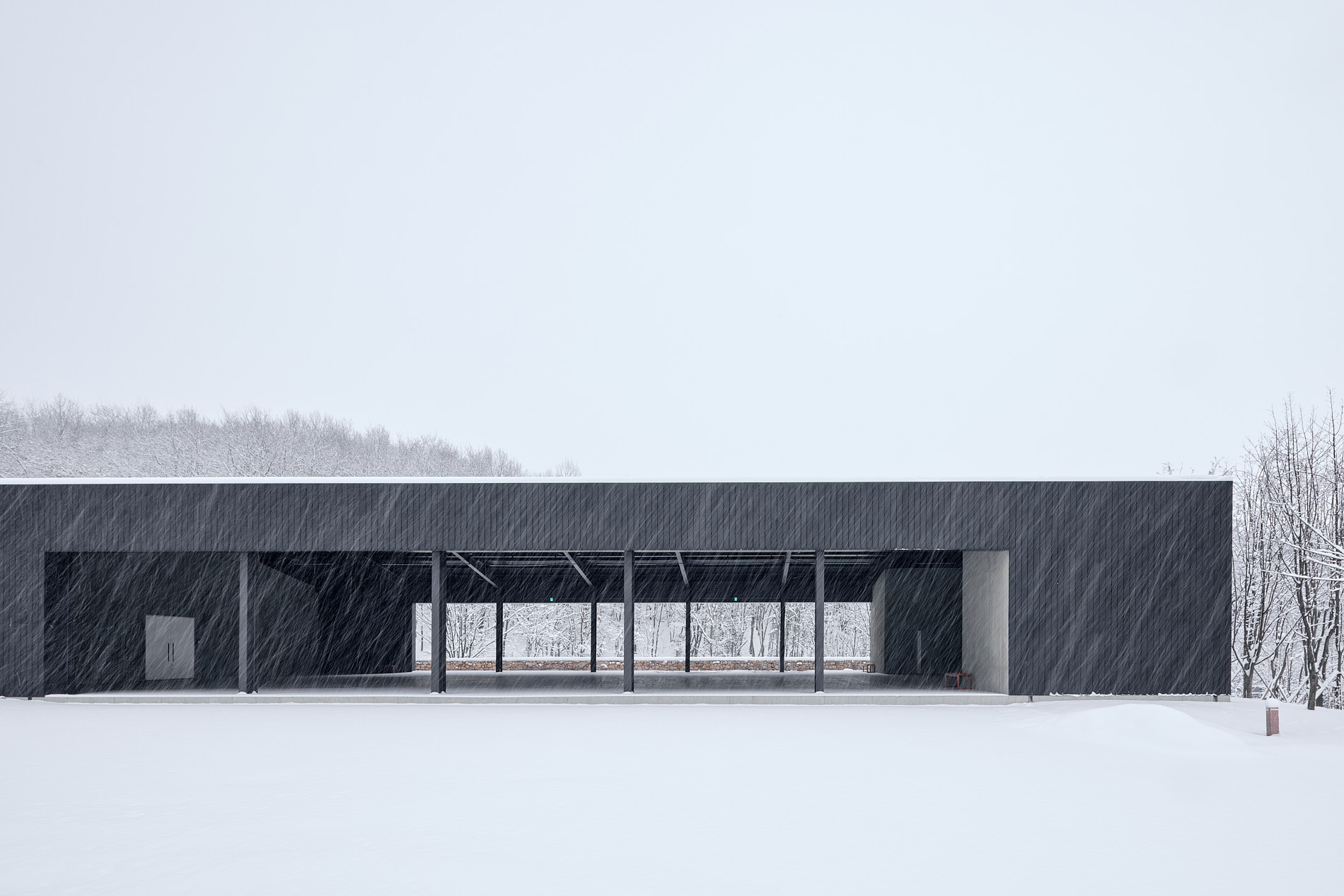
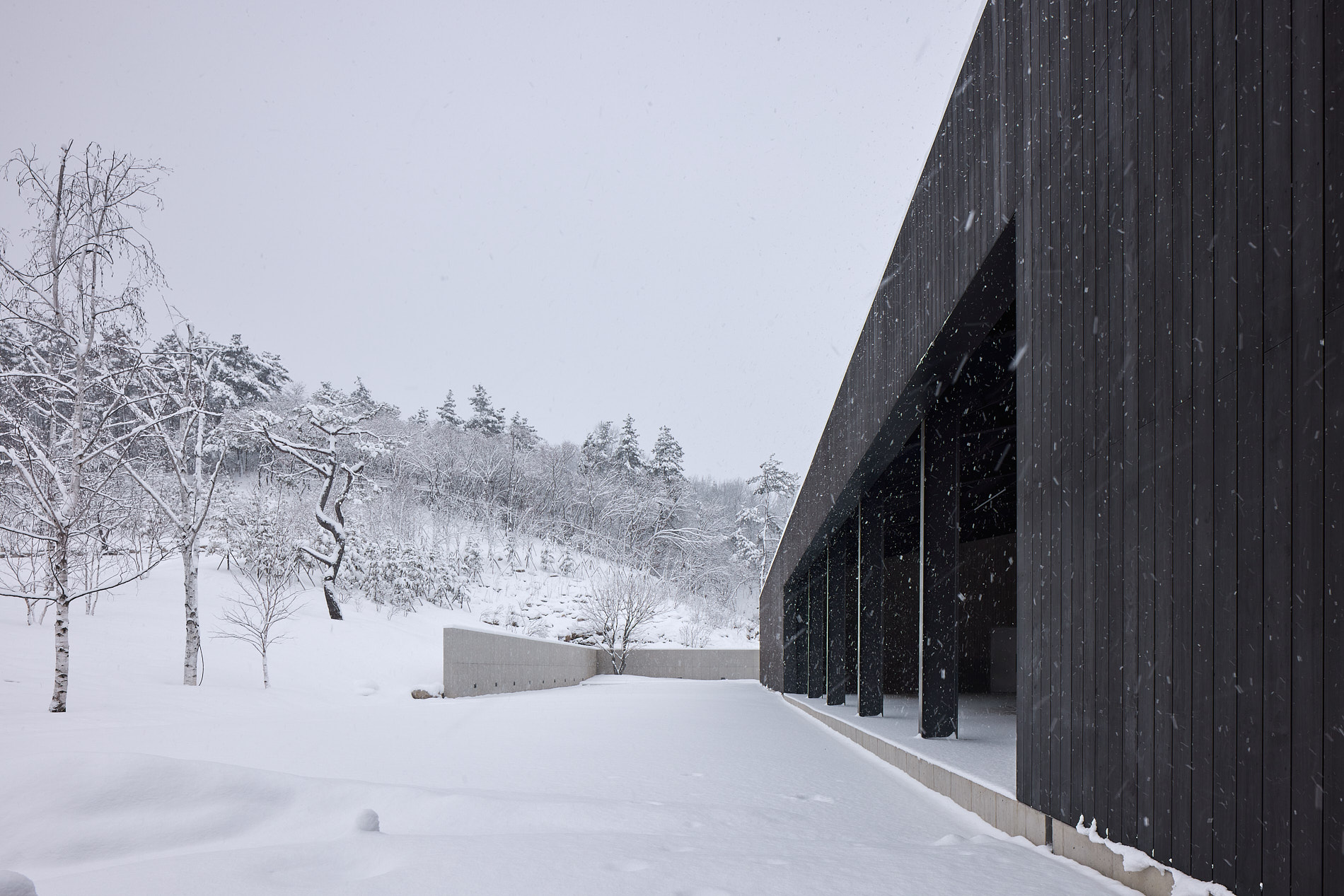
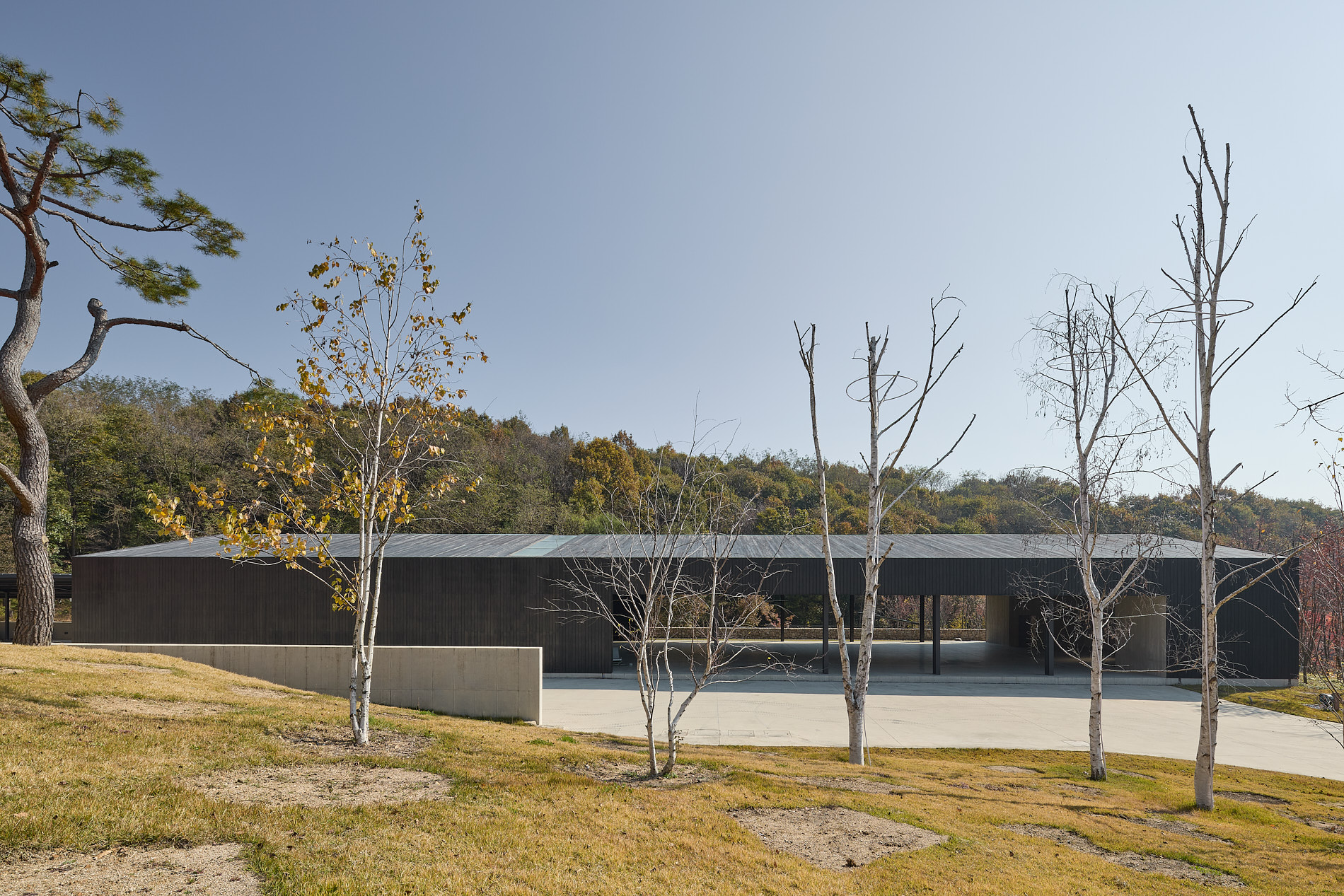
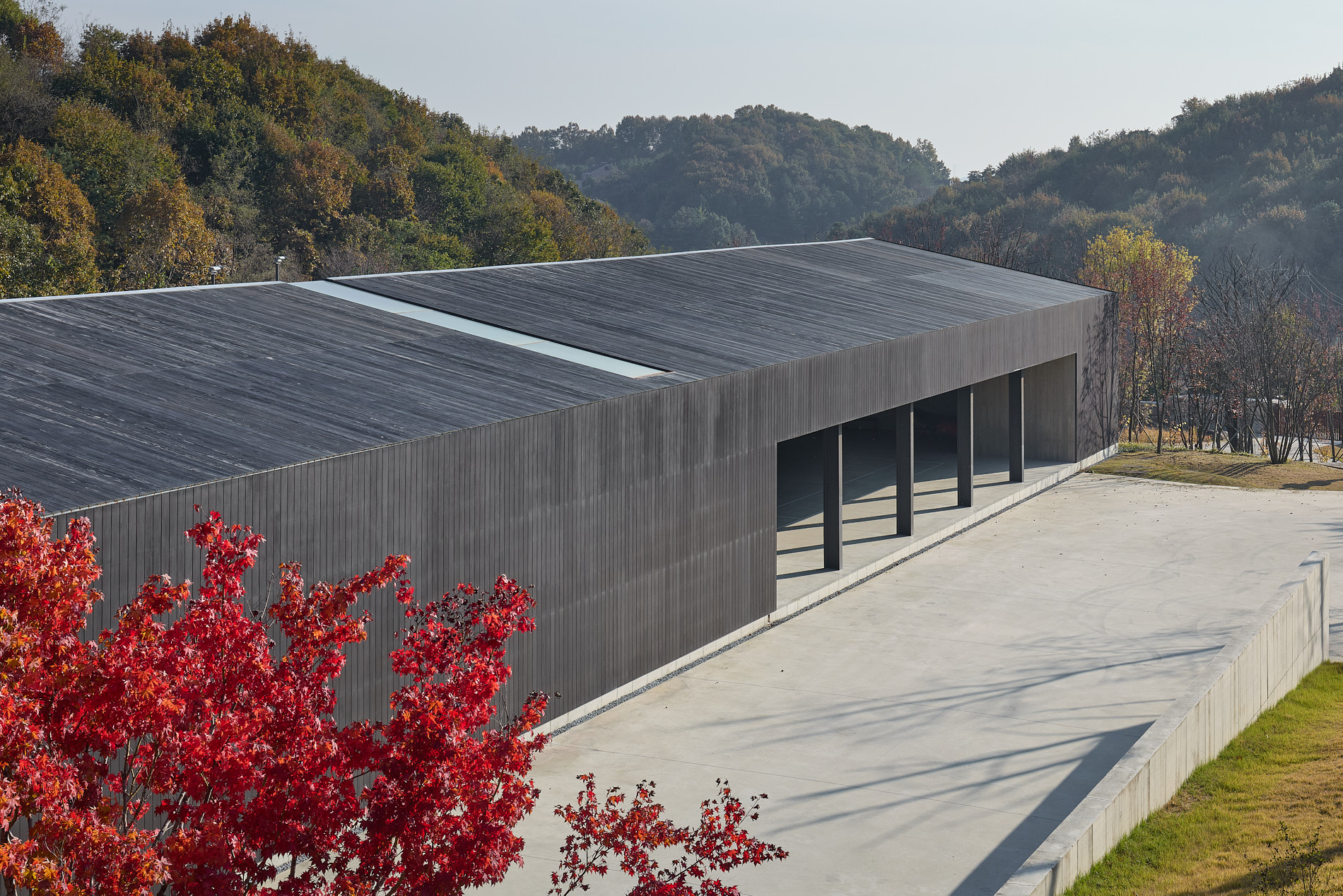
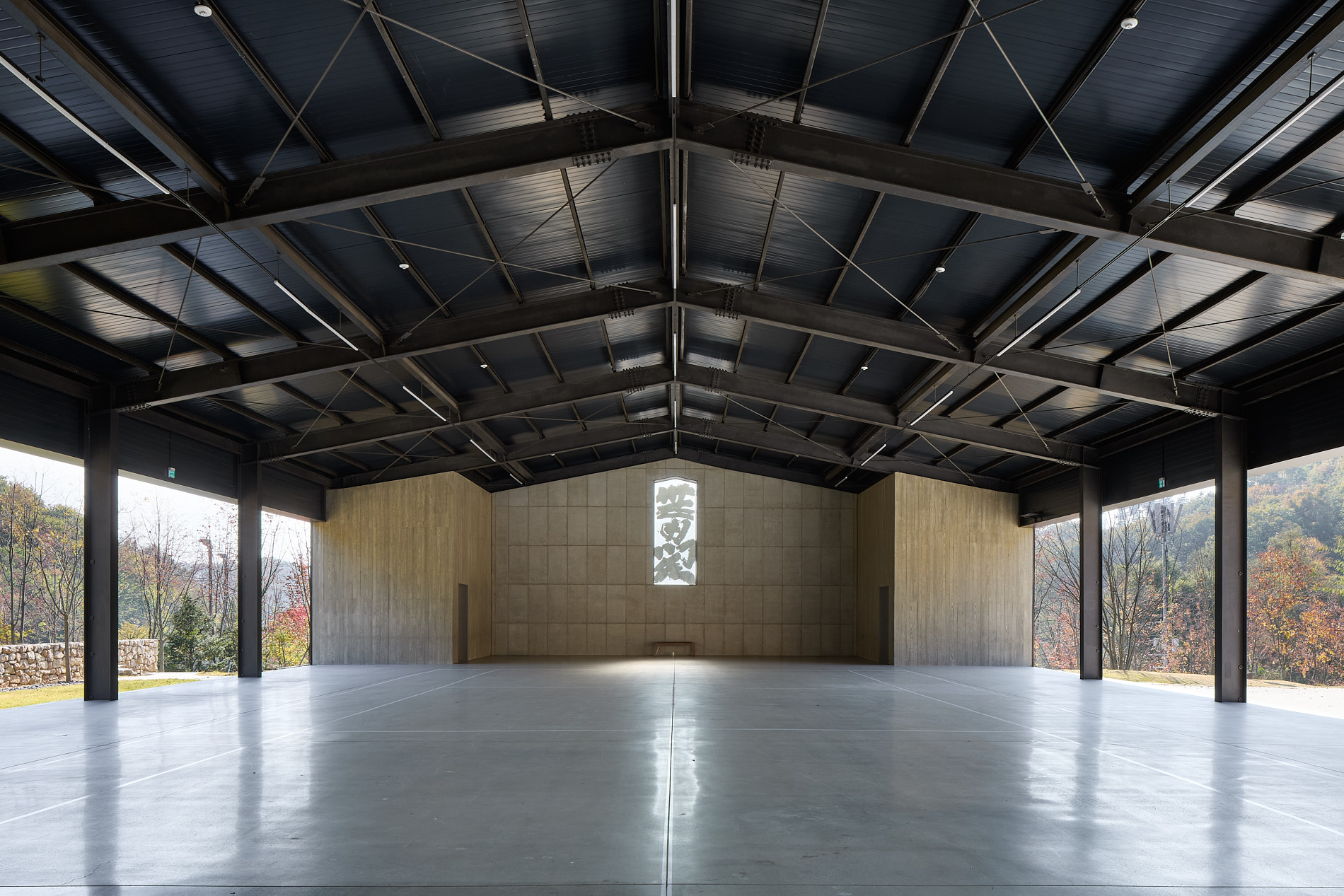
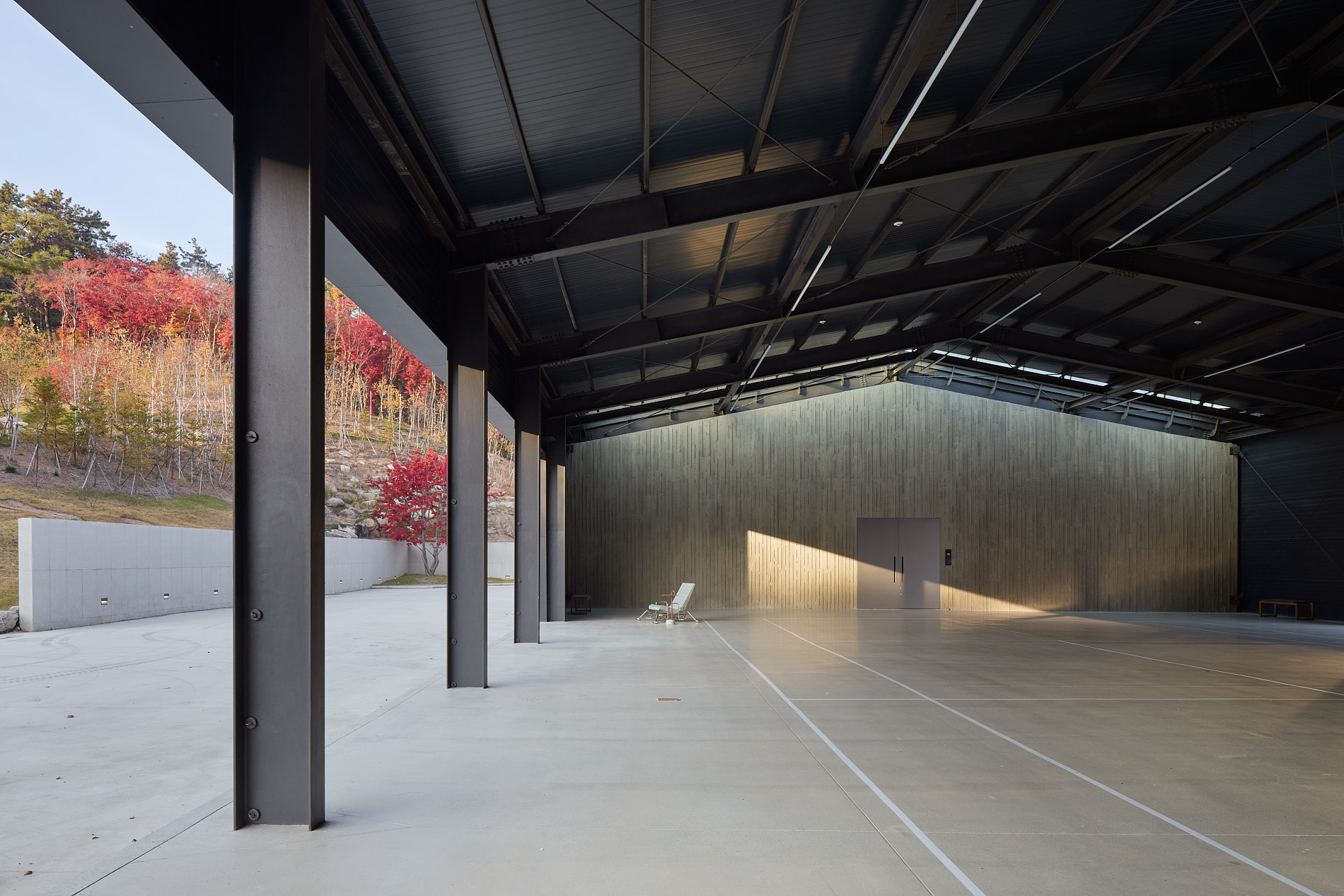
정원을 따라 경사를 걸어올라 끝자락에 이르면, 마치 땅속에 일부가 묻힌 듯 자리한 건물이 나타납니다. 지붕은 대지에서 채취한 돌을 그대로 얹어, 건축이 땅과 분리되지 않은 하나의 지형처럼 인식되도록 계획하였습니다. 일반적으로 지붕 마감재로 사용하지 않는 ‘돌’을 적용함으로써 구조적 한계를 실험하였고, 무거운 재료를 감당하기 위해 구조 방식 또한 세심하게 조율되었습니다. 무용각의 대지에는 이미 철골 구조의 공장 건물이 존재했습니다. 초기에는 철거 후 신축을 고려했으나, 구조를 유지하고 재해석하는 방안을 제안했습니다. 기존 철골 프레임은 그대로 보존한 채, 공장의 한쪽은 실내 공간으로 재구성하여 클라이언트를 위한 음악당과 체육 공간으로 계획하였습니다. 내·외부를 관통하는 지붕 아래 공간은 옥구정원 초입에서 정원의 끝까지 시선을 열어주는 개방감 있는 보이드로, 휴식·행사·체류가 가능한 다목적 공간으로 활용됩니다.
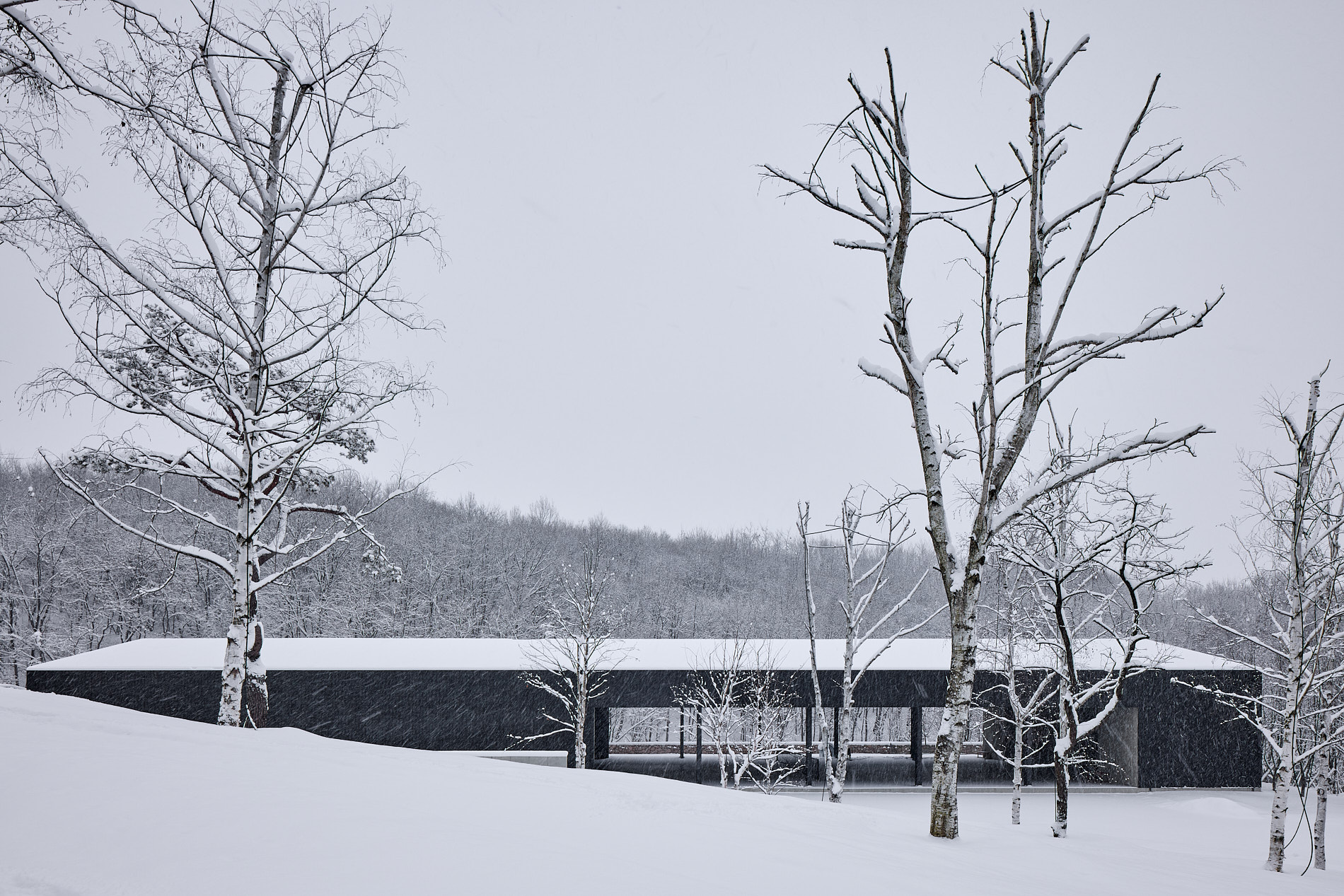
외장재의 깊은 흑색은 자연의 색이면서 동시에 인간의 행위를 거친 또 다른 자연의 결과물입니다. 이 검은 매스는 계절의 변화 속에서 배경이 되기도 하고 중심이 되기도 하며, 특히 눈이 내린 겨울에는 더욱 강한 대비를 형성합니다. 색을 잃은 풍경 한가운데 놓인 검정의 솔리드한 매스는 공간의 중심을 잡아주며, 눈 덮인 지붕과의 대비는 옥구정원을 상징적인 장면으로 완성됩니다.
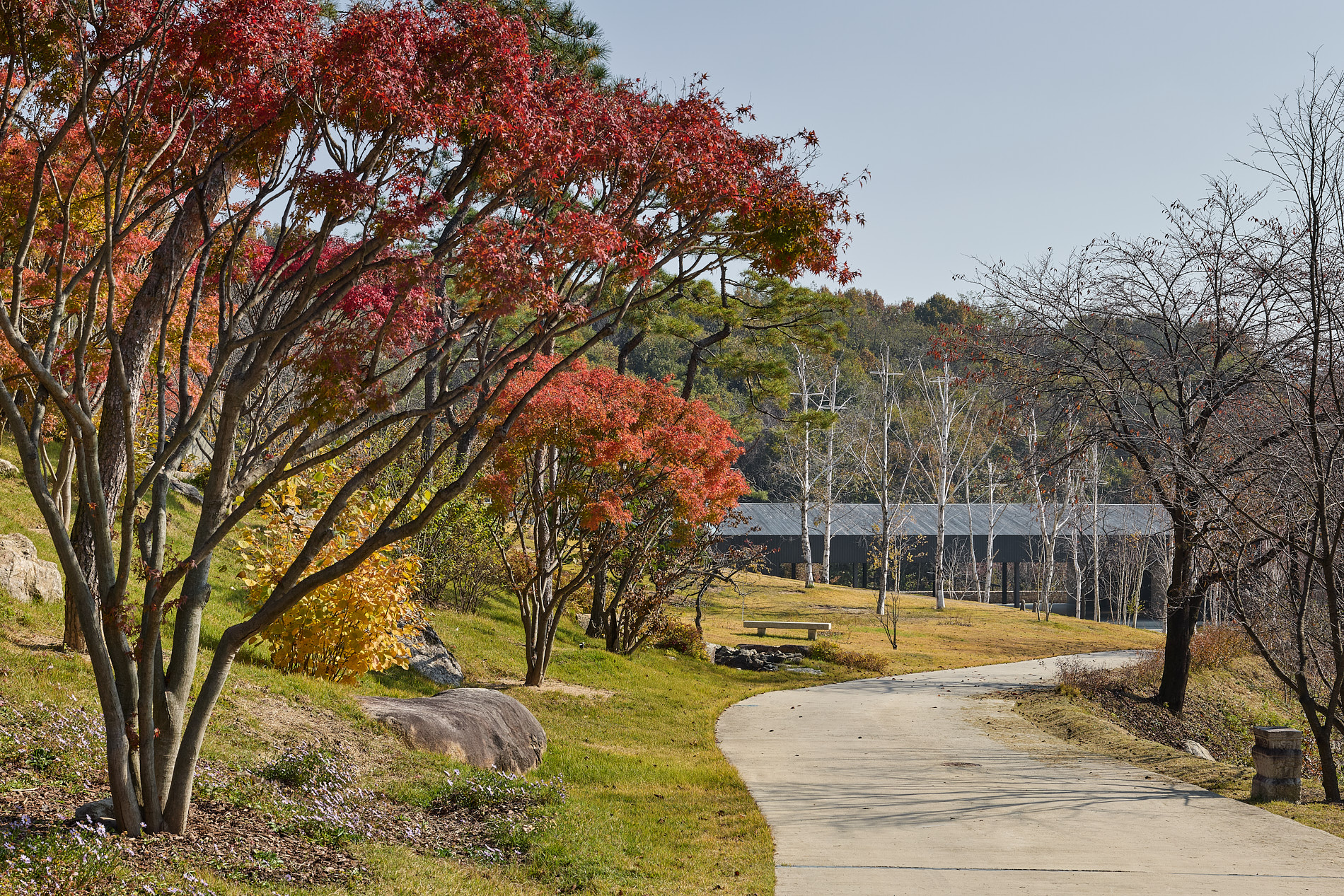
* 양평에 위치한 옥구정원은 섬세하게 설계된 프라이빗 리조트로 럭셔리 레지던스와 오픈 홀로 이루어져 있습니다. 옥구정원은 개인의 취향과 자연 환경을 장기적으로 조율해 완성한 마스터플랜 프로젝트입니다. 대상지 선정 단계부터 건축사가 함께 참여하여 땅의 내음과 형상과 지형, 주변 바람의 풍경을 읽는 과정에서부터 설계가 시작되었기에 이 공간은 단순한 건축이 아니라 ‘땅을 다루는 방식’ 에서부터 출발한 프로젝트라 할 수 있습니다. 옥구정원은 모든 건축물과 정원이 느슨하게 연결되면서도 필요에 따라 독립성을 유지하도록 계획되었습니다. 내부와 외부는 자연스럽게 이어져 계절의 변화가 직접적으로 공간 경험에 스며듭니다. 봄의 새순, 여름의 짙은 녹음, 가을의 색 변화, 그리고 겨울의 정적까지 자연의 흐름이 빠짐없이 공간을 통과합니다. 옥구정원은 특정 계절에만 완성되는 장소가 아니라 사계절 내내 다른 표정을 보여주는 리조트로 한 사람의 삶과 풍경이 함께 쌓여가는 시간을 건축으로 드러내고 있습니다.
Muyonggak (無用閣), when translated literally, means “the pavilion of uselessness” or “a house of non-use.” Yet within the East Asian literati tradition, such a phrase does not carry a negative connotation. Rather, it points to a realm beyond worldly utility—a space that transcends function and embraces a more contemplative, spiritual dimension. In a Daoist sense, it may also be understood as “that which appears useless, and is therefore free.”
Following the gentle slope of the garden to its far edge, one encounters a small hut that seems partially embedded within the earth. The roof is composed of stones gathered directly from the site, allowing the architecture to be perceived not as a separate object, but as an extension of the terrain itself. By employing stone—a material rarely used as a roofing finish—the project tests structural limits, requiring a carefully calibrated system to bear its weight.
On the site of Muyonggak stood an existing steel-framed factory structure. While demolition and reconstruction were initially considered, the design ultimately proposed preserving and reinterpreting the existing framework. Retaining the original steel frame, one portion of the factory has been transformed into an interior program housing a music hall and a fitness space for the client. Beneath the continuous roof that traverses both interior and exterior, a spatial void unfolds—opening a visual axis from the entrance of Okgugarden to its far end. This expansive void functions as a multipurpose area, accommodating rest, gatherings, and extended stays. The deep black of the exterior finish is both a color of nature and the result of human intervention—a second nature shaped through process and material. This dark mass alternately recedes into the landscape or asserts itself as a focal point depending on the season. In winter, especially when snow falls, the contrast becomes striking: a solid black form anchoring the space amidst a desaturated landscape, its snow-covered roof completing one of the most iconic scenes of Okgu garden.
* Located in Yangpyeong, Okgugarden is a meticulously designed private resort composed of luxury residences and an open hall. It is a masterplan project that has been carefully shaped over time through a thoughtful alignment of personal sensibilities and the natural environment. From the earliest stages of site selection, the architect was involved in reading the land—its scent, form, topography, and the movement of surrounding winds—so that the design began not simply as an act of building, but as a way of engaging with the land itself. Within Okgugarden, each structure and garden is loosely connected while maintaining independence when needed. The boundaries between interior and exterior dissolve, allowing the changing seasons to permeate the spatial experience directly. The fresh shoots of spring, the dense greenery of summer, the shifting colors of autumn, and the stillness of winter all pass through the space without omission. Rather than being defined by a single season, Okgugarden reveals a different expression throughout the year—an architectural landscape where time, life, and scenery quietly accumulate together.